
Do you know what the most addictive things are on earth? It is not cocaine, amphetamine, or marijuana.
It is the flow state.
Psychologist Mike Csikszentmihalyi coined the term “flow state” in 1975. He defined it as
Flow is optimal of intrinsic motivation, where the person is fully immersed in what they are doing.
Mike Csikszentmihalyi
When a human is in a flow state, a human increases his or her creativity by many folds. So how can we get our brains into this magical state?
To make things easier, I will take you in the long run. And let’s observe what happens in the brain’s cocktail party.
Norepinephrine
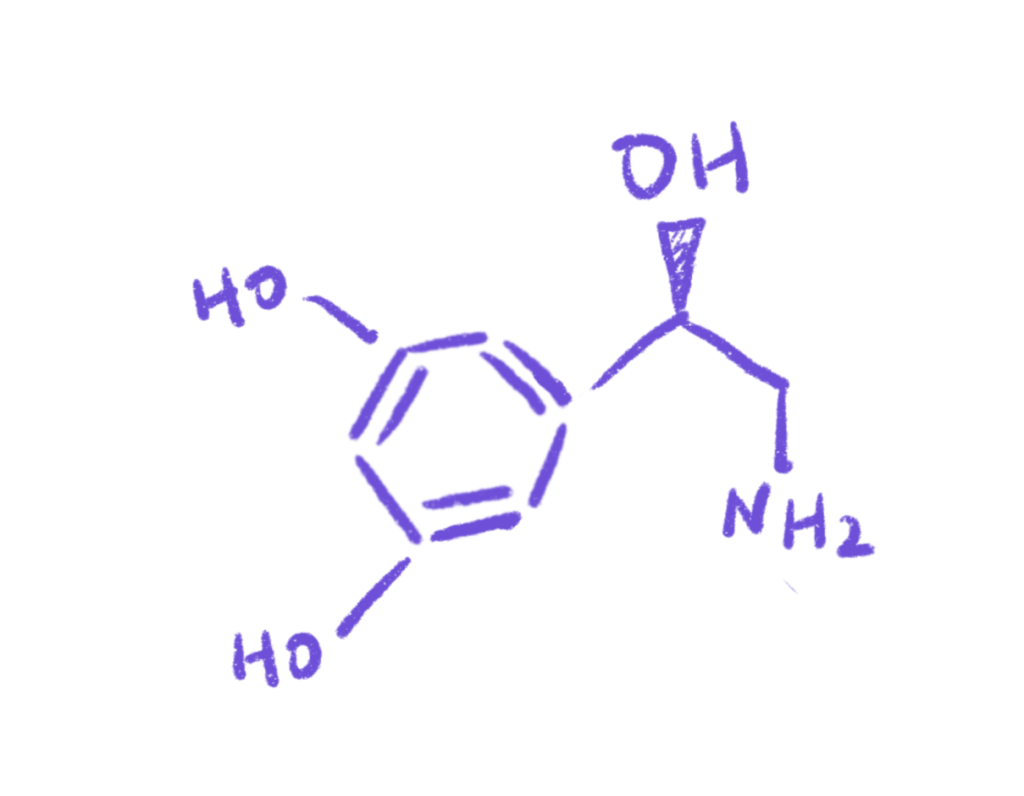
Norepinephrine is a fight chemical in the famous flight or fight response. But, gosh, there are too many f’s.
When the norepinephrine acts on the sympathetic nervous system, your heart rate and breathing increase. Glycogen from your liver will be set free into your bloodstream.
Your body is getting ready for a fight. Well, in modern society, we rarely need to fight. So we are getting ready for a challenging task.
Norepinephrine increases your speed and focuses on a task.
Dopamine
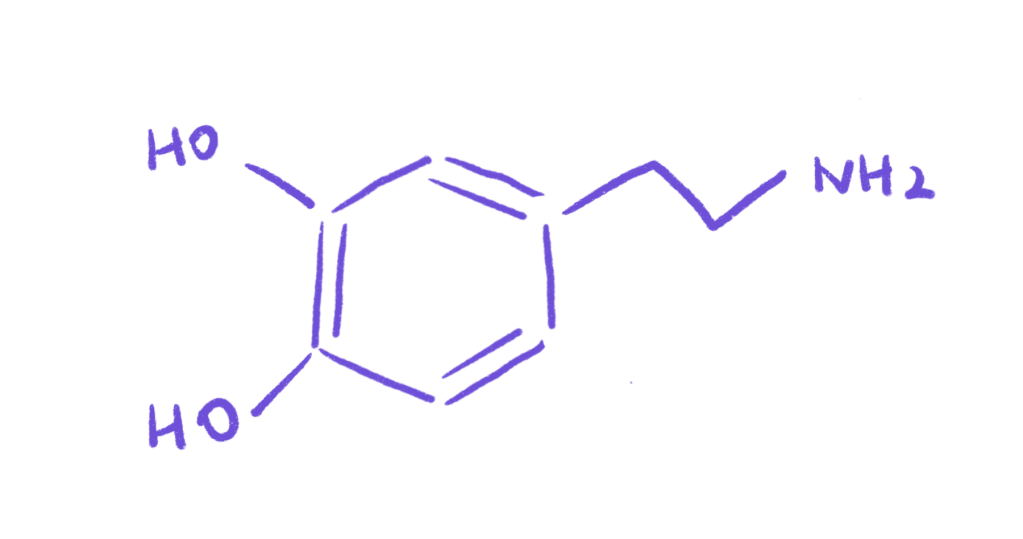
Dopamine is the molecule of motivation, pleasure, and feeling good. The chemical is also involved in muscle movement, memory consolidation, and attention control.
When you have the drive to fulfill your needs, such as eating food, socializing, or having sex, Dopamine is released to motivate you into action.
However, too much Dopamine will lead to addiction. This is out of the scope of today’s article.
Transient Hypofrontality
If we break the words “transient hypofrontality” apart, you will get
- “Transient” = short-lived
- “Hypo” = less
- “frontality” = prefrontal cortex.
The famous prefrontal cortex is responsible for executive control and decision-making. Ironically, this part of the brain’s activity reduces during the flow state. The activity decreases because you are so focused on a task that you do not need to make complex decisions.
The same state happens when you are running. You are so engaged in the task of running, and you do not feel the soreness of your legs.
Endorphins
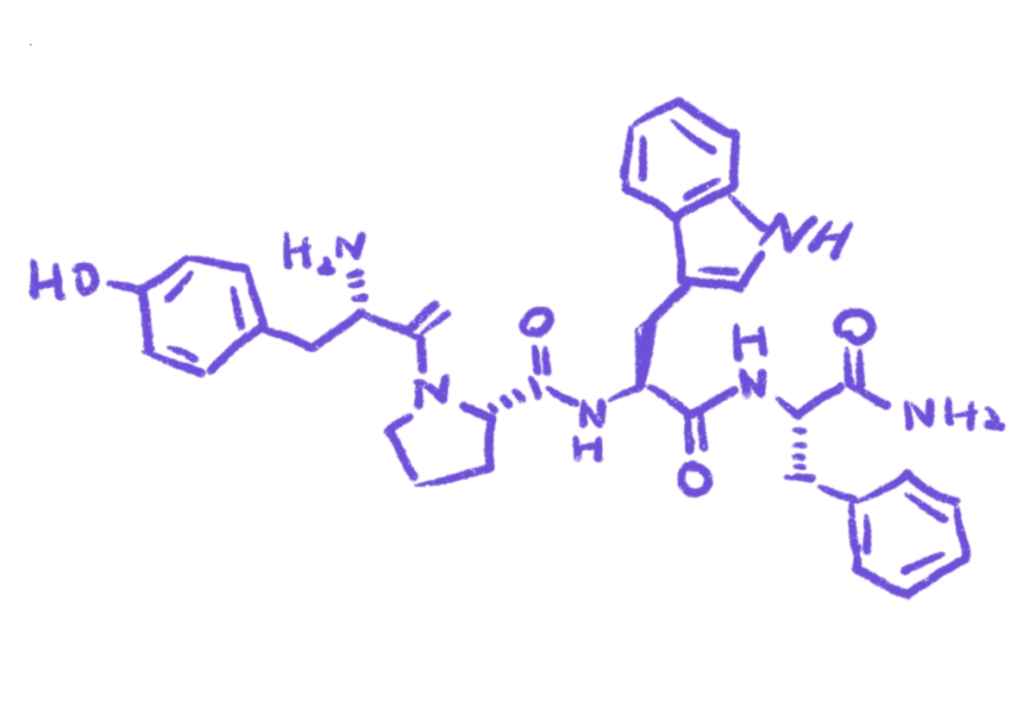
Endorphin means endogenous morphine. Those two English words were combined in the 1970s when endorphins were discovered.
Endorphine is natural morphine or pain killer. It increases your sense of pleasure and self-esteem.
Anandamide
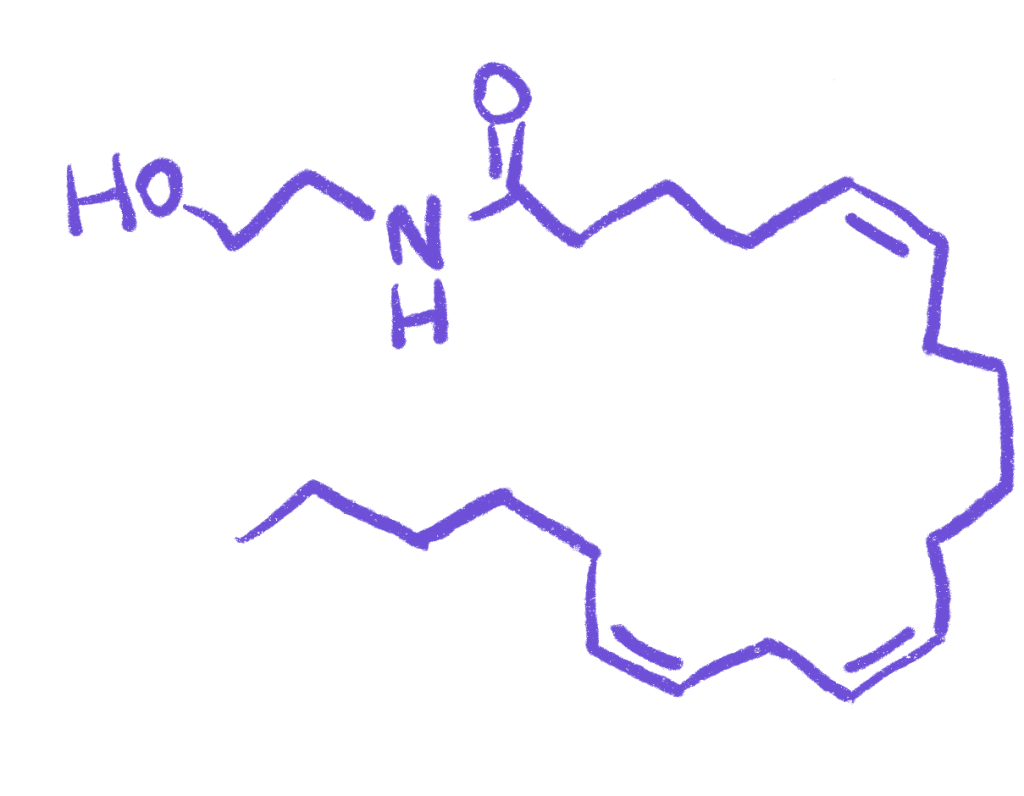
Anandamide is natural marijuana.
This word stems from “anada” in Sanskrit, meaning bliss.
This neurotransmitter allows you to spot patterns faster and increase divergent thinking. This is related to creativity. The more links patterns you can find, the more combinations of new ideas you can discover. You will process more information at once with more varieties of ideas.
Serotonin
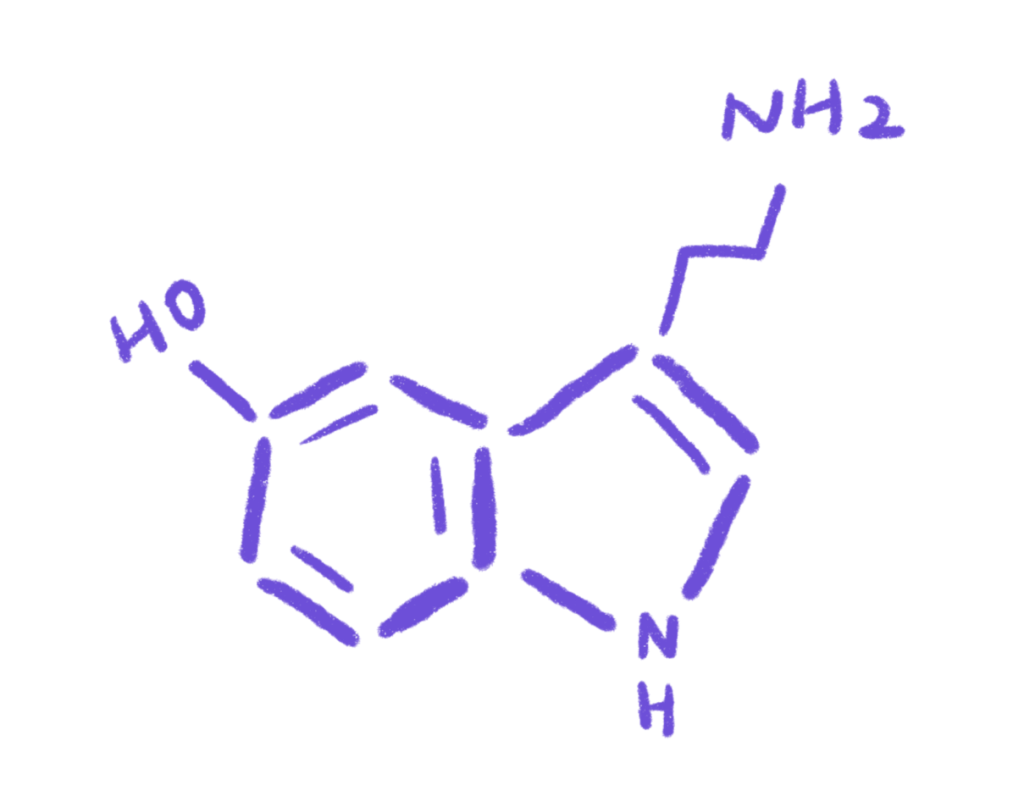
Finally, we have reached the end of our flow state.
Serotonin is famous for the here and now. Think of it as the opposite of Dopamine.
Serotonin leaves us with a gratifying and peaceful feeling.
And did you know about Serotonin selective reuptake inhibitor? It is an antidepressant, so it is also related to mood regulation.
Actionable Tips for you to get into flow faster
1. Keep your eyes on the goal line to increase the dopamine release in your nervous system.
2. Minimally multitask to get yourself into momentum to begin a task.
- Your norepinephrine and blood pressure will increase. Your sympathetic nervous system will prepare you for a “fight” with the upcoming task.
3. Visualize your failure for not finishing the task
- Humans are very good at avoiding things they hate or fear. Use fear to your advantage to keep yourself continue working towards your goals. This tip is from Huberman lab’s podcast to credit to him.
Risks of Flow State
Flow can feel very good, but do not be addicted to it. On the other hand, do not take the flow state to the extreme with a warning note because it can have serious risks.
…enjoyable activities that produce flow have a potentially negative effect: while they are capable of improving the quality of existence by creating order in the mind, they can become addictive, at which point the self becomes captive of a certain kind of order, and is then unwilling to cope with the ambiguities of life.
Mike Csikszentmihalyi
For example, don’t keep on trying to break your wingsuit records. Of course, this is more of an extreme example, but you get the point.

 Priscilla Xu
Leave a comment