
Reading Time: 3 minutes
Do you have any times that you thought of a solution to your math problem, school project, or article topic when you are wandering around during break time?
And it is not your fault that you can only focus for 3 minutes at once. I first heard of this statement from Andrew Huberman‘s podcast. From an evolutionary standpoint, we should shift our focus in the food search and be aware of the danger. Let’s see how we can combat this in the modern days, where we do not need to search for food.
What is attention?
- Attention is the focus of perceiving sense.
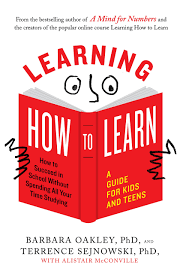
The range of perception can be vast and narrow. In addition, attention gives rise to two modes of thinking. The modes are first introduced in a book called Learning How to learn. The author Barabra Oakley coined the terms diffused and focused way of thinking.
Two Modes of Attention
Focused Mode
The focus mode of attention is active when solving a math problem, processing sensory stimuli, and using abstract thought. This is the mode of thinking that we are the most familiar with when we think of focused, deep work to produce fruitful results.
- Searching for food in the wild
- Solving for a problem with a correct answer
The focus mode of thinking is called a task-positive network in neuroscience terms.
The circuits of the positive task network restrict your behaviors, such as checking your phone, scratching your head, and allowing you to focus. The anatomical brain areas responsible for the focused mode of thinking are the lateral prefrontal cortex, anterior cingulate cortex, insula, and somatosensory cortex.
Diffuse Mode of Thinking
The mode of active thinking when you are not doing anything is called the diffused mode of thinking. This is when you are
- Mind-wandering with your monkey brain
- Visualizing your future
- Just sitting there, watching TV and chilling.
- Being aware of the danger in the wild.
The diffuse mode of thinking is called task-negative or default network in neuroscience. The brain parts responsible for coordinating diffuse thought are the dorsolateral prefrontal cortex, medial prefrontal cortex, posterior cingulate cortex, hippocampus, and amygdala.
Dopamine
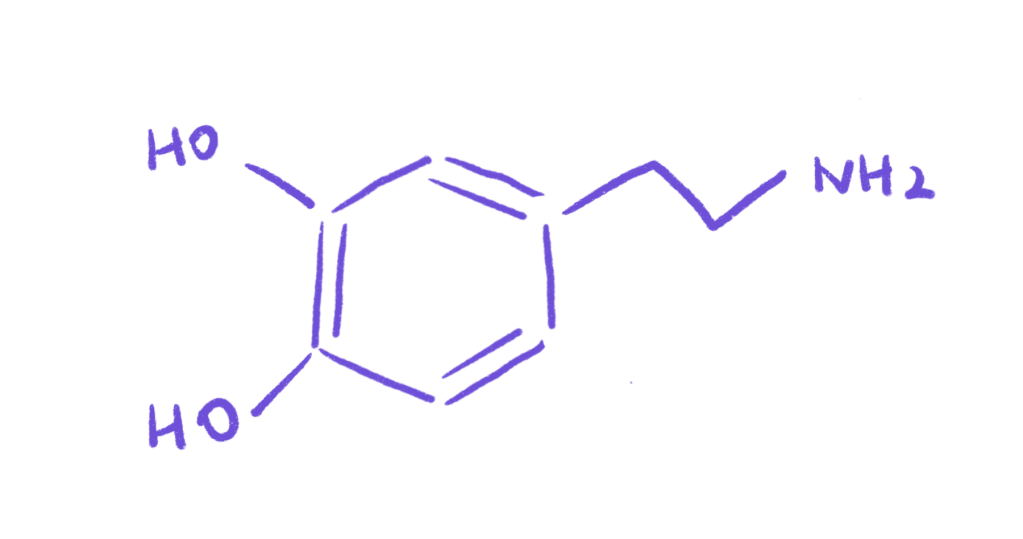
What controls which network is more “turned on”? The conductor between diffused mode and focused mode is dopamine – the molecule of motivation. It is also found at the beginning of the flow state to propel you into task-positive mode.
It maintains the balance of the circuit and determines which course is more active depending on the activities you are engaged in. The two ways of thinking are like a see-saw.
Both of the networks are equally important. We need both to be creative and execute the creative idea and do the analytical work. The balanced peace between the two is how we make the most out of the two different modes of thinking.

 Priscilla Xu
Leave a reply to The Ultimate Guide to Learning Skills – Priscilla Xu Cancel reply